
Our students learn by stage, not by age
Our learners move ahead when they are ready, and they are afforded the chance to go deeper when something that interests them takes hold. A single classroom can be working at several levels based on passion and preference, and that’s by design with our inquiry-based approach and project-based learning. Collaboration, communication and peer-to-peer learning are also purposefully built into our program and teacher practices.
Where your child fits
Where your child begins
At the start of the year, teachers establish where each child actually is in each subject and what they’re most ready to take on. Teaching and curriculum flows from that knowledge, and it is continually revisited as the year goes on. Most of our learners spend their days alongside classmates within their own age band, which is usually where the best work happens, both academically and socially. Where a child is genuinely ready for more in a subject, we have the structure to give it to them.
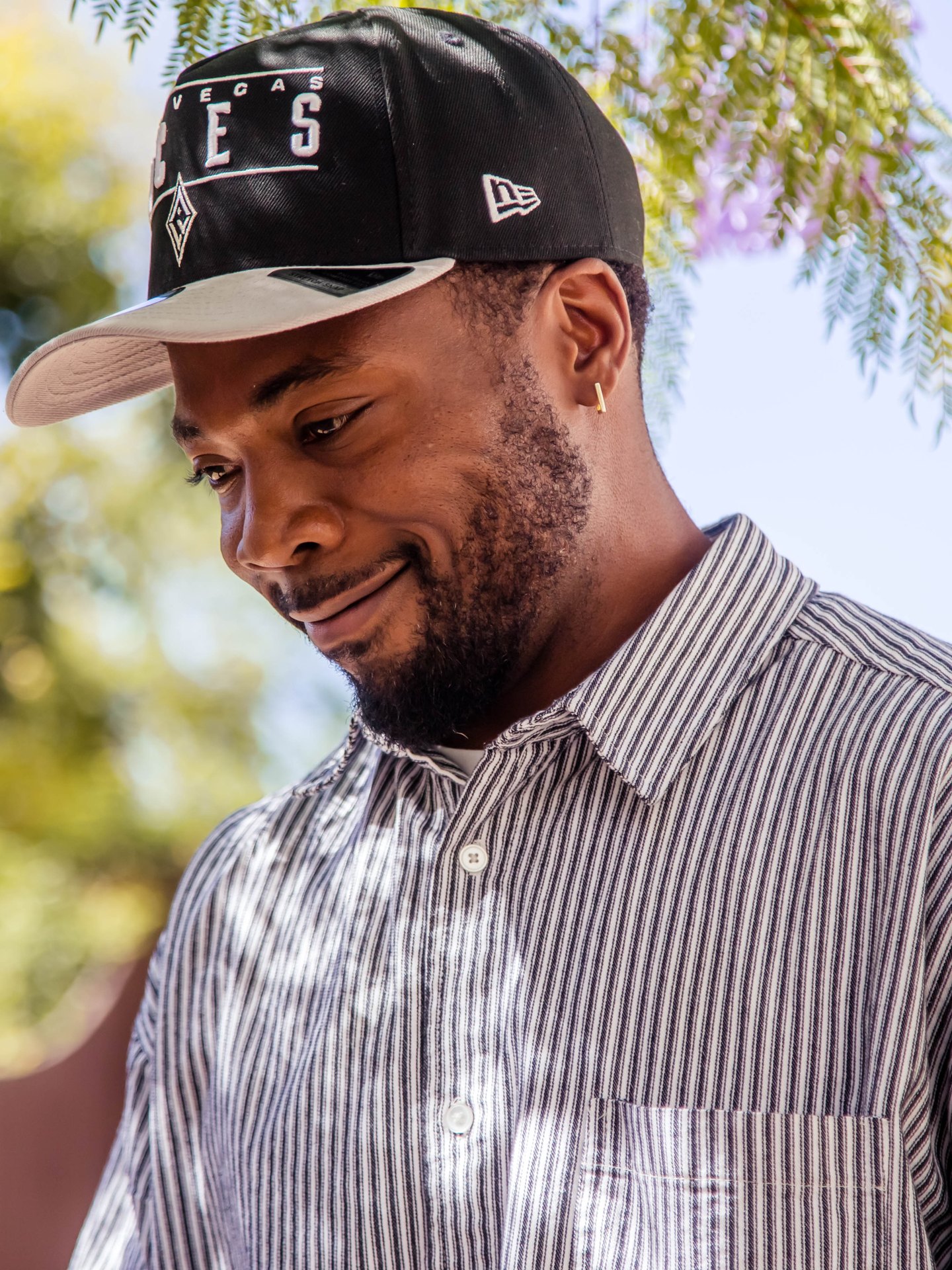

Depth, then speed. In that order.
Moving faster through a curriculum produces a child who has covered more ground, but we are after something slightly different. A child who can stay with a hard idea long enough to understand it, and who knows the difference between finishing and knowing.
Our curriculum draws on the Integrated Curriculum Model developed by the Center for Gifted Education at William & Mary, adapted to the teachers and the students we actually have.
We come back to things
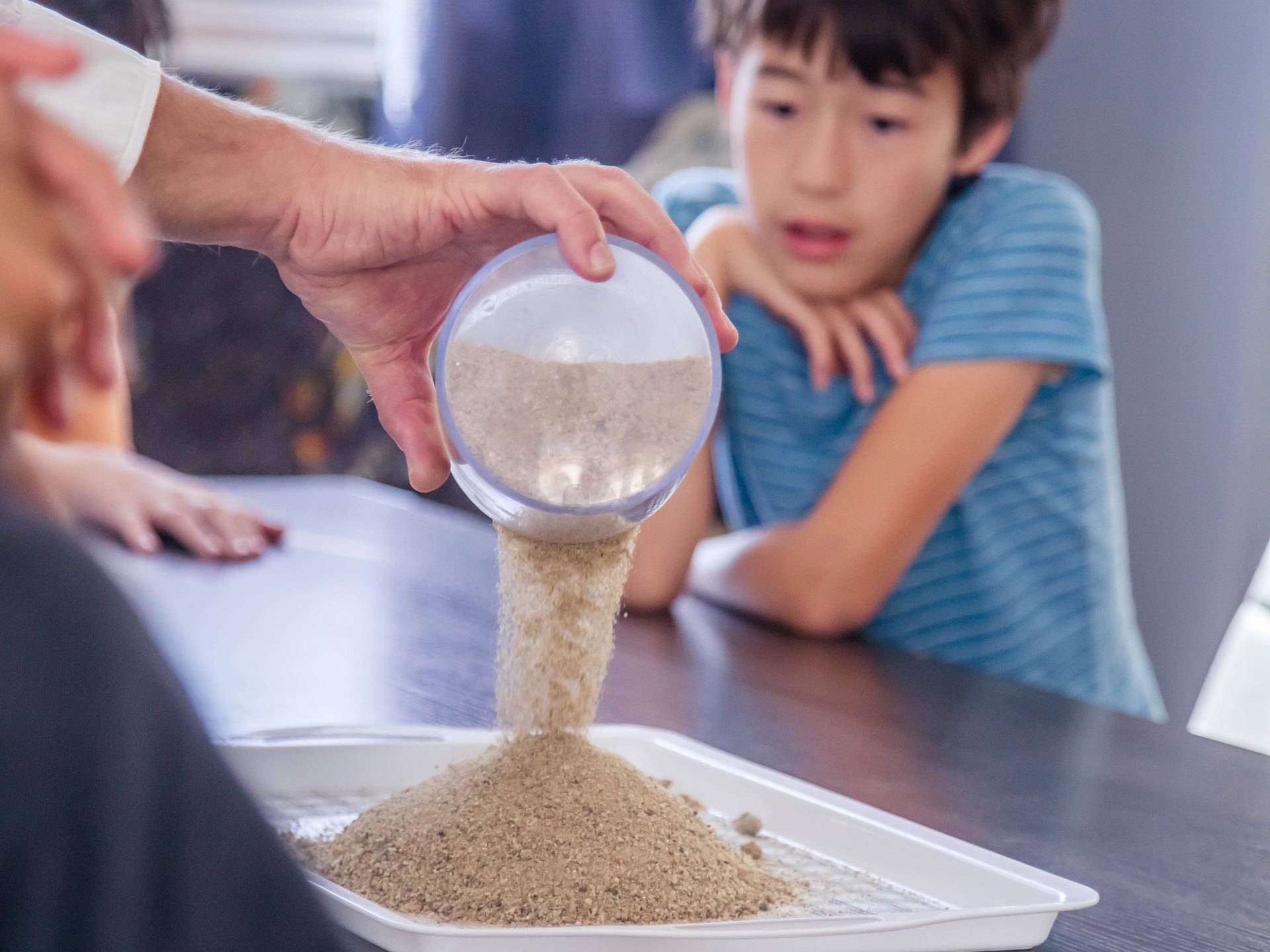
A question does not get answered once and filed away. We return to it on purpose, weeks later and then the following year, and each time a student brings more to it than they had the time before.
This is what a spiral curriculum looks like in practice. It is slower than covering a topic once and moving on, and it is the reason a Knox student can pick up an idea from last year and take it somewhere new.
One school, three programs
The approach doesn’t change as a child moves through Knox. What changes is what they can do with it.
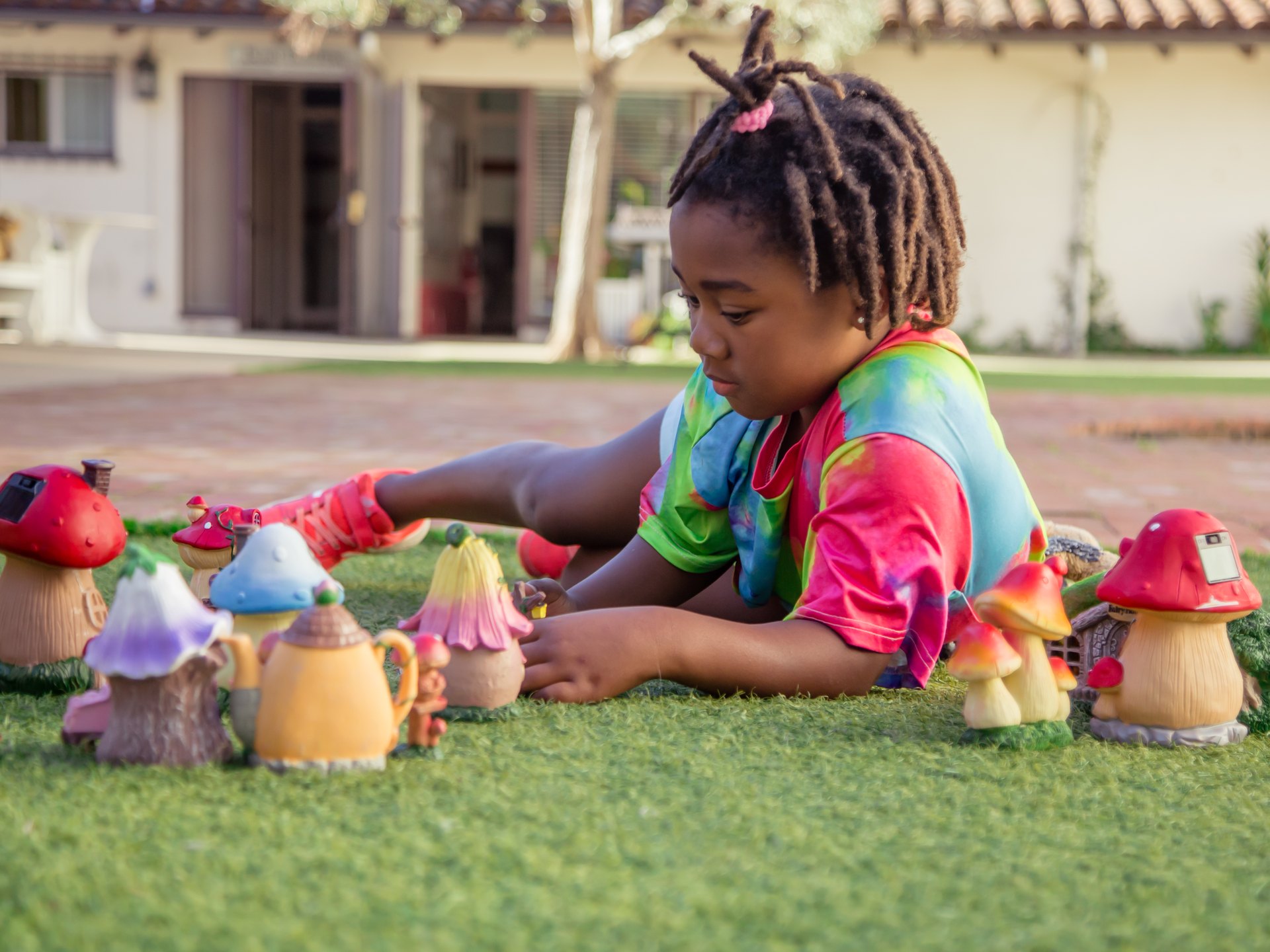
Kindergarten
Where Wonder Takes Root
Where wonder takes root
Reading, numbers and the habit of asking why, grown out of play rather than drilled. Small enough that a five-year-old is properly known by October.

Lower School
Where curiosity finds its depth
Grades 1–4
Where placement by readiness starts to show. Projects get longer, questions get harder, and children begin choosing what to go deep on.

Upper School
Where Voice and Purpose Emerge
Grades 5–8
Advanced work, electives taught by working scientists and artists, and expeditions from Catalina to Yosemite. This is where a student learns to defend an idea.
The program is really the people
Ask a Knox parent what makes the school work and they’ll name a teacher.
Small classes only matter if the person in front of them can go wherever a child’s question leads. That’s the bar we hire against, and it’s why a child here doesn’t outgrow their teacher the way they outgrow a curriculum.

Come see it at your child’s stage
The best way to understand how this works is to watch it happen. Tours give parents a window into what we do and the kind of students we have here at Knox. Student visits are arranged around your child’s readiness, interests and strengths, so you can picture the classroom they would actually join.
Stories from inside the school
A window into daily school life. What our students are working on, musings about the joys of teaching our learners, and exciting happenings within the school and community.
Unsubscribe at any time.